
Curiosity, Stacked: Turn Everyday Routines into Discovery
Anchors That Trigger Wonder
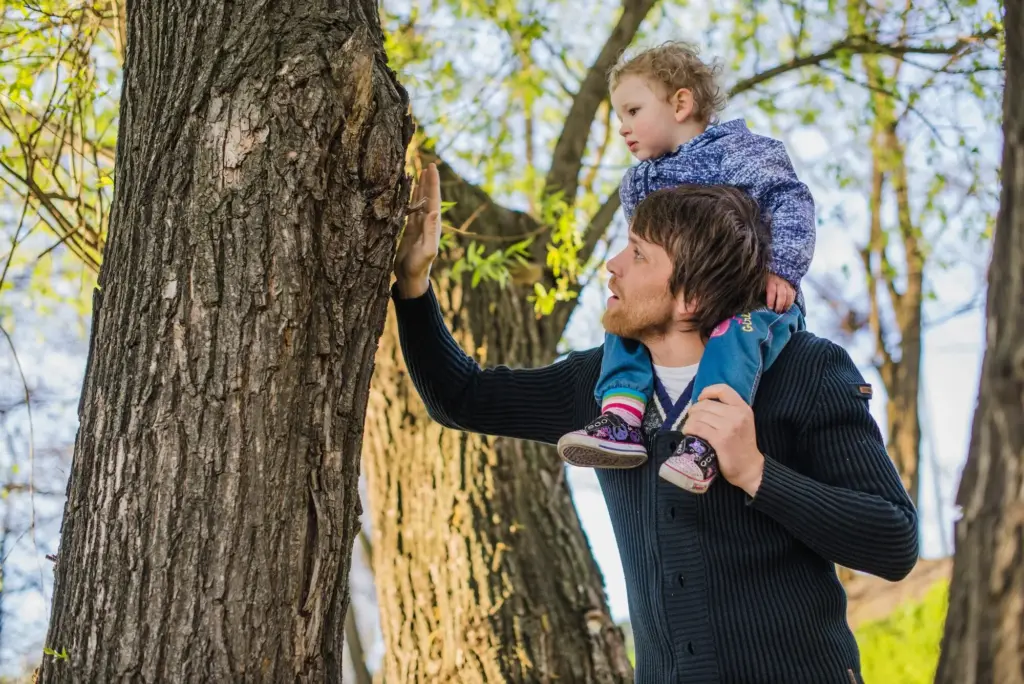
Select precise moments already guaranteed to happen—pouring water, tying shoes, opening a laptop—and let each become a doorway into noticing. Set a single prompt nearby, like What changed since yesterday, then practice for ninety seconds. Reliability beats intensity; the consistent cue does most of the remembering.
Micro-Actions with Massive Compounding
Keep the action absurdly small: one sharper question, one photographed detail, one analogy written on a sticky note. These tiny reps feel trivial today yet build cognitive range and pattern recognition. Over weeks, they quietly produce momentum, confidence, and a richer map of what your routines are teaching.
Reward Loops That Keep You Returning
Attach an immediate, delightful payoff. Sip your coffee only after jotting a curious sentence, or place a favorite sticker in a visible streak tracker. Celebrate the behavior, not the brilliance. When progress feels emotionally rewarding, your brain votes yes tomorrow without bargaining or elaborate willpower rituals.

Questions as Daily Companions
Learning in Motion: Routines Reimagined

Tools, Prompts, and Lightweight Systems
Social Curiosity Rituals
The Two-Minute Story Swap
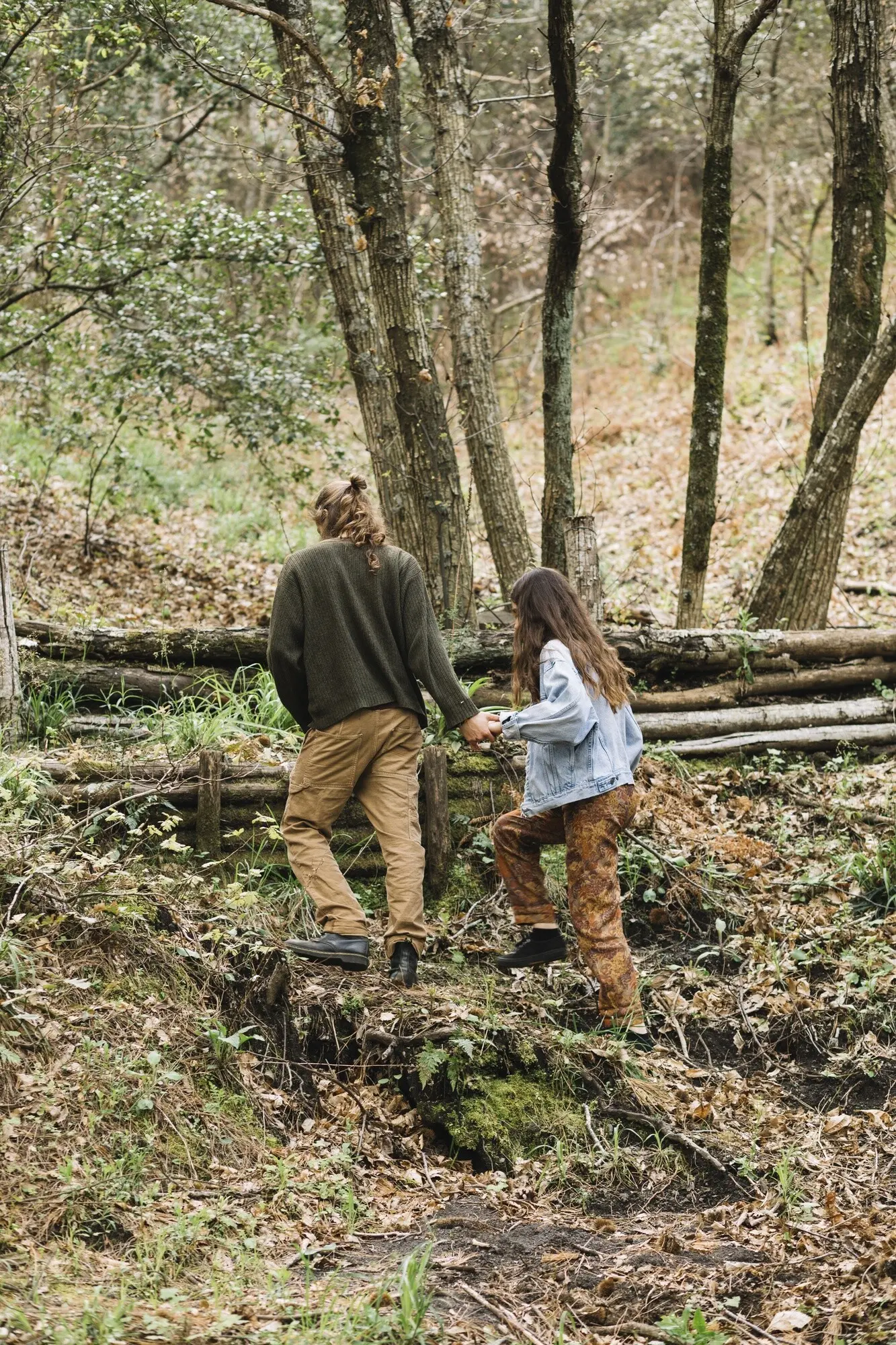
Each person shares a fast tale about something that surprised them today, while partners extract one question that could extend the story tomorrow. Keep it light, time-boxed, and joyful. Over weeks, stories evolve, confidence grows, and curiosity becomes a shared habit, not a solitary performance.
Feedback as a Friendship Upgrade
Replace vague praise with specific curiosity: What part did you wrestle with, and what would you try next. Give feedforward experiments rather than postmortems. When questions surface goals, people feel seen, and collaboration shifts from evaluation toward mutual exploration and concrete, energizing next steps.
Community Challenges that Spark Play
Run a month of micro-missions: ask one stranger-friendly question, sketch an unnoticed corner, or test a new route home. Celebrate submissions publicly, focusing on learnings over outcomes. Shared constraints create momentum, while playful accountability keeps the practice welcoming to newcomers and sustainable for veterans.
The Weekly Lookback
Micro-Badges and Gentle Streaks
All Rights Reserved.